Maximize Safety with the Best Tire Selection Strategies
When it comes to vehicle safety, tires play a crucial role. They are the only contact point between your vehicle and the road, making their selection vital for both performance and safety. Choosing the right tires can significantly impact your driving experience, fuel efficiency, and overall safety. In this blog post, we will explore effective tire selection strategies that can help you maximize safety on the road.

Understanding Tire Types
Before diving into selection strategies, it's essential to understand the different types of tires available. Each type is designed for specific conditions and driving styles.
All-Season Tires
All-season tires are versatile and designed to perform well in a variety of conditions, including dry, wet, and light snow. They are a popular choice for everyday driving and offer a balance of performance, comfort, and longevity.
Winter Tires
Winter tires are specifically designed for cold weather conditions. They feature deeper treads and softer rubber compounds that remain flexible in low temperatures, providing better traction on snow and ice. If you live in an area with harsh winters, investing in winter tires is crucial for safety.
Performance Tires
Performance tires are engineered for enhanced handling and responsiveness. They are ideal for sports cars and enthusiasts who prioritize speed and agility. However, they may not perform well in adverse weather conditions, so consider your driving habits before choosing this type.
Off-Road Tires
If you frequently drive on rugged terrain, off-road tires are designed to handle rough surfaces. They feature aggressive tread patterns for better traction on dirt, mud, and gravel. These tires are essential for off-road adventures but may compromise performance on paved roads.
Key Factors to Consider When Selecting Tires
When selecting tires, several factors can influence your decision. Understanding these factors can help you make an informed choice that maximizes safety.
Tread Pattern
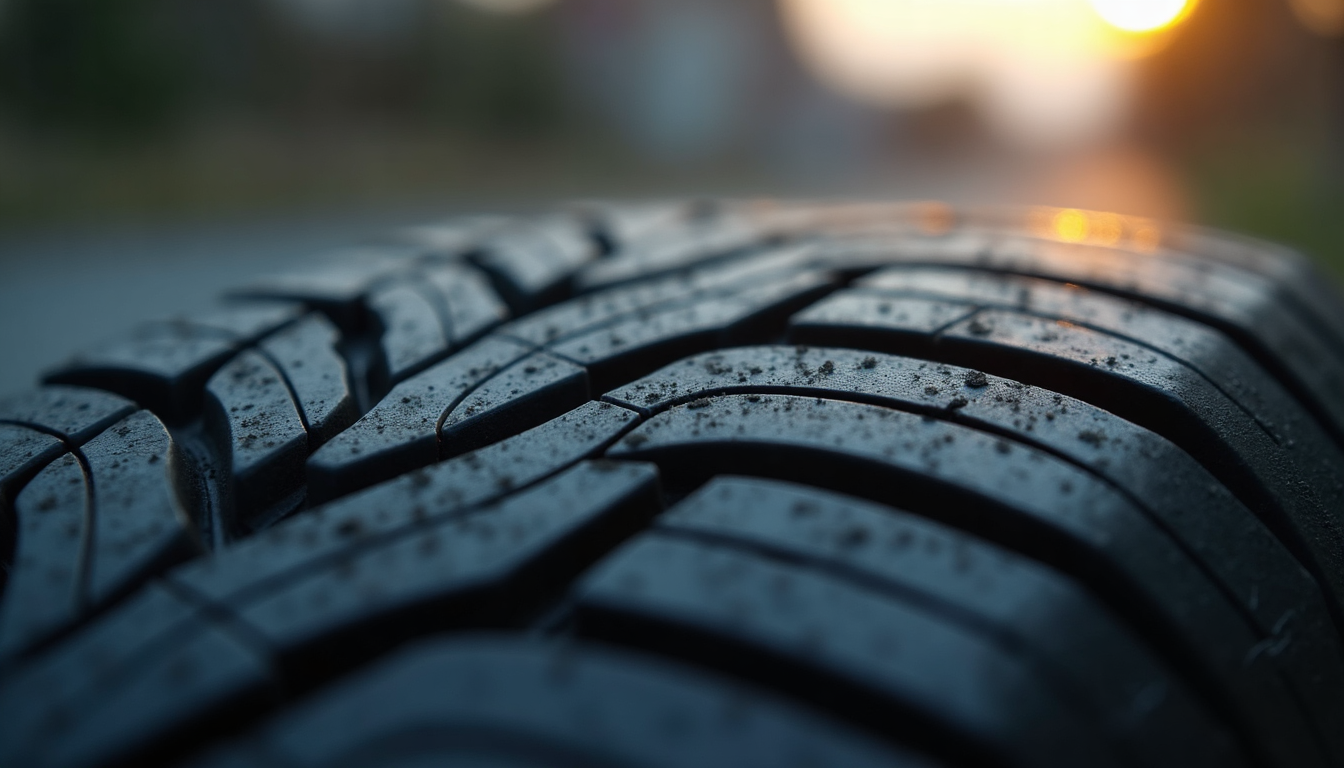
The tread pattern of a tire affects its grip on the road. Tires with deeper grooves and more aggressive patterns provide better traction in wet or slippery conditions. Conversely, tires with shallower treads may offer a smoother ride but can compromise safety in adverse weather.
Tire Size
Tire size is another critical factor. Always refer to your vehicle's owner manual for the recommended tire size. Using the correct size ensures optimal performance and safety. A tire that is too small or too large can affect handling, fuel efficiency, and overall safety.
Load Capacity
Each tire has a specific load capacity, which indicates how much weight it can safely carry. Exceeding this limit can lead to tire failure and compromise safety. Be sure to choose tires that can handle the weight of your vehicle and any additional load.
Speed Rating
Tires come with a speed rating that indicates the maximum speed they can safely handle. If you frequently drive at high speeds, ensure your tires have an appropriate speed rating. This is crucial for maintaining control and safety during high-speed driving.
Seasonal Considerations
The climate in your area plays a significant role in tire selection. Different seasons require different tire types to ensure safety and performance.
Summer Tires
Summer tires are designed for warm weather conditions. They offer excellent grip on dry roads and improved handling. However, they are not suitable for winter conditions, as they can become hard and lose traction in cold temperatures.
Transitioning Between Seasons
If you live in an area with distinct seasons, consider switching between summer and winter tires. This practice ensures that you have the right tires for the conditions, maximizing safety throughout the year.
Maintenance Tips for Tire Safety
Selecting the right tires is only part of the equation. Proper maintenance is essential for ensuring their longevity and performance.
Regular Inspections
Conduct regular inspections of your tires to check for signs of wear and tear. Look for uneven tread wear, cracks, or bulges. Addressing these issues early can prevent more significant problems down the line.
Tire Pressure
Maintaining the correct tire pressure is crucial for safety. Under-inflated tires can lead to poor handling and increased wear, while over-inflated tires can result in a harsh ride and reduced traction. Check your tire pressure regularly, especially before long trips.
Rotation and Alignment
Regularly rotating your tires helps ensure even wear and prolongs their lifespan. Additionally, having your wheels aligned can prevent uneven wear and improve handling. Follow your vehicle manufacturer's recommendations for rotation intervals.
Choosing the Right Retailer
Selecting the right retailer for your tires can make a significant difference in your overall experience. Here are some tips for finding a reputable tire retailer:
Research and Reviews
Before making a purchase, research local tire retailers and read customer reviews. Look for retailers with a good reputation for customer service and quality products.
Warranty and Return Policies
Check the warranty and return policies offered by the retailer. A good warranty can provide peace of mind, knowing that you are covered in case of defects or issues.
Expert Advice
Choose a retailer that offers expert advice and guidance. Knowledgeable staff can help you select the right tires for your specific needs and driving conditions.
Conclusion
Maximizing safety through the best tire selection strategies involves understanding the different types of tires, considering key factors like tread pattern and load capacity, and maintaining your tires properly. By taking the time to choose the right tires and care for them, you can enhance your driving experience and ensure safety on the road. Remember, your tires are your vehicle's only connection to the road, so make informed choices that prioritize safety.
Take the next step in your tire selection journey by assessing your driving habits and local conditions. Whether you need all-season tires for daily commuting or specialized tires for winter driving, the right choice can make all the difference.

Comments